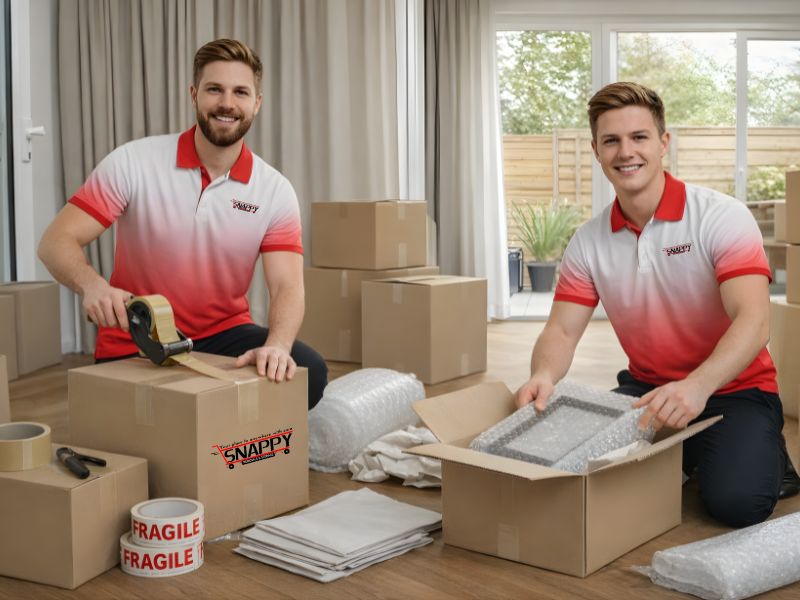
How Can Professional Wrapping and Packing Protect Your Belongings When Moving House in 2026?
Moving house involves more than transporting furniture and boxes from one location to another. Protecting your belongings during the move is equally important, especially when handling fragile items, valuable furniture, electronics, and personal possessions. Without proper preparation, items can become scratched, broken, or damaged while being carried, loaded, or transported.
Professional wrapping and packing can help reduce these risks by using suitable materials and organised packing techniques. For homeowners planning a move in 2026, understanding how to prepare belongings correctly can make relocation more efficient and less stressful.
Why Is Professional Wrapping and Packing Important?
Professional packing involves selecting suitable materials, wrapping individual items, securing them inside boxes, and preparing belongings for safe transportation. Different items require different levels of protection, depending on their size, weight, shape, and fragility.
Experienced removalists understand how to handle common household items and prepare them for transport. Careful packing also helps organise the move, making it easier to identify boxes and locate essential belongings after arriving at the new property.
How Does Wrapping Protect Furniture and Household Items?
1. Prevents Scratches and Surface Damage
Furniture can easily develop scratches, scuffs, or dents when moved through doorways, hallways, and narrow spaces. Wrapping materials and protective covers help reduce direct contact between furniture surfaces and surrounding objects.
Sofas, tables, wardrobes, and other large pieces should be protected according to their materials and shapes. Corners and edges may require additional padding because they are particularly vulnerable to impacts during handling.
2. Provides Protection for Fragile Items
Glassware, mirrors, crockery, decorative pieces, and other delicate belongings need careful packing. Suitable cushioning materials help absorb minor impacts and prevent items from moving excessively inside their boxes.
Fragile items should be wrapped individually, with enough padding to fill empty spaces. Boxes should also be labelled clearly so that movers know which containers require extra care.
3. Helps Protect Electronics and Appliances
Televisions, computers, monitors, and small appliances can be vulnerable to impacts during transportation. Where possible, using the original packaging can provide a suitable fit and cushioning.
If original packaging is unavailable, appropriately sized boxes and protective materials can help secure the equipment. Loose accessories, cables, and detachable components should be organised separately and labelled to simplify setup at the new property.
What Packing Materials Are Best for Moving House?
Choosing the right materials is an important part of preparing for a move. Common packing supplies include:
-
Moving boxes: Suitable sizes help keep items organised and prevent excessive weight in individual containers.
-
Bubble wrap: Provides cushioning for many fragile items and delicate surfaces.
-
Protective furniture covers: Help reduce scratches, dust, and scuffs during handling and transportation.
-
Packing paper: Can be used to wrap crockery, glassware, and other smaller household items.
-
Packing tape: Helps secure boxes and keep their contents contained.
-
Labels and markers: Make it easier to identify contents and direct boxes to the correct rooms.
The best combination depends on the items being moved. Heavy belongings should be packed in manageable quantities, while fragile objects need appropriate cushioning and secure placement.
How Can Professional Packing Make Moving More Efficient?
1. Saves Time During Preparation
Packing an entire household can take several days, particularly when balancing work, family responsibilities, and other moving arrangements. Professional assistance can reduce the time required to prepare furniture, kitchenware, clothing, and other belongings.
A planned packing process also helps avoid last-minute rushing, which can lead to poorly secured boxes and forgotten items.
2. Keeps Belongings Organised
Labelling boxes according to their contents and destination rooms makes unpacking easier. For example, kitchen items can be grouped together, while bedroom essentials can be kept separate from general household belongings.
An organised system also helps homeowners prioritise the items they need immediately after moving in.
3. Reduces Handling Risks
Correct wrapping, balanced boxes, and suitable lifting techniques can make belongings easier to handle. Professional removalists can also assess bulky or awkward items before moving them through tight spaces.
Although careful packing cannot eliminate every risk, it can help reduce avoidable damage during loading, transport, and unloading.
Should You Choose Professional Packing or Pack Everything Yourself?
Packing independently may suit smaller moves or households with enough time to prepare. However, professional packing can be useful when moving a large home, handling delicate possessions, or managing a busy relocation schedule.
Some homeowners choose a full packing service, while others prefer assistance only with fragile items or bulky furniture. Comparing the time involved, materials required, and complexity of the move can help determine the most suitable option.
For people seeking Snappy Removals offers packing and unpacking support to help prepare belongings for relocation.
How Can You Prepare for a Safer Move in 2026?
Start by sorting belongings and removing items you no longer need. Arrange packing materials in advance, keep essential documents and valuables separate, and label boxes clearly.
Before moving day, confirm which items require special handling and discuss any particularly fragile or bulky belongings with your removalist. It is also helpful to prepare an essentials box containing everyday items such as toiletries, chargers, basic kitchen supplies, and a change of clothes.
Conclusion
Professional wrapping and packing can help protect furniture, fragile possessions, electronics, and everyday household items during a move. By using appropriate materials, organising boxes, and preparing belongings carefully, homeowners can reduce the likelihood of damage and make unpacking more manageable.
Whether you are moving locally or relocating over a longer distance, planning ahead and choosing suitable packing support can make the process smoother. A well-organised move helps you focus on settling into your new home with greater confidence.